Lower Carniola and White Carniola: along the Krka and Kolpa, among castles and cviček
The southeast of Slovenia is measured by two rivers. The Krka winds slowly among the wine hills, castles and spas, while the Kolpa on the southern border draws in summer everyone looking for a river you can actually swim in.
In between lies a region that most visitors drive past on the motorway instead of turning off it. Turn off at the first bridge over the Krka, as the landscape reveals itself only up close. The distances are short and there are few crowds, and you can see the hayracks and vineyard cottages just around the first bend.
If you have one weekend, choose one of the two valleys: the Krka with Novo mesto and the spas, or the Kolpa with the White Carniola villages. If you have more time, link them, as less than an hour's drive separates them.
Novo mesto and the meander of the Krka
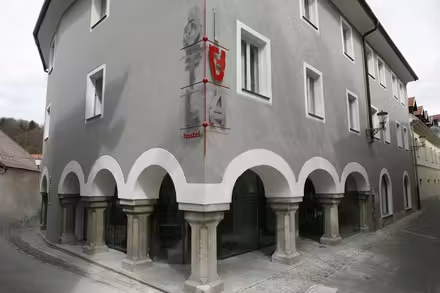
Novo mesto stands in a bend of the Krka and is the largest town in this part of the country. The old core above the river is marked by the Main Square with its arcades and the Chapter Church, and from beneath the town archaeologists have unearthed so many Hallstatt situlae that it has come to be called the town of situlae. You can see them in the Dolenjska Museum, and set aside an hour for a walk through the old core.
A few kilometres downstream along the river stands Otočec Castle, the only water castle in the country, reached from both banks by a wooden bridge. At Otočec you can head down the Krka by canoe or set off by bike into the surrounding hills.
Upstream the valley narrows at Žužemberk, where above the river stands an extensive castle with towers, and below it the Krka spreads over low tufa sills. Between it and Dolenjske Toplice, by the road right above the river, stands Soteska Castle, and higher up along the stream is the source of the Krka. Set aside an afternoon with no plan, as this is one of the loveliest stretches of the river.
Kostanjevica na Krki and the monasteries of Lower Carniola
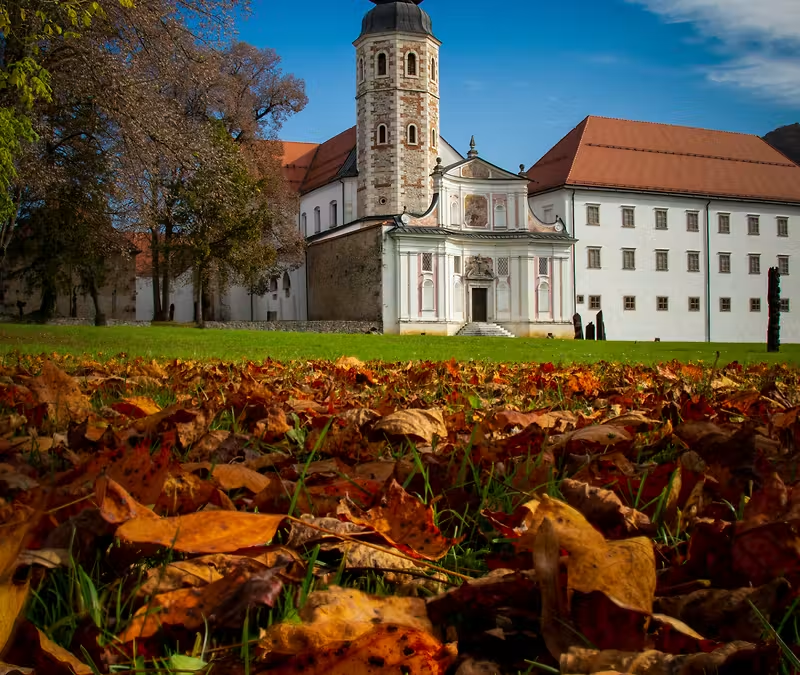
Kostanjevica na Krki lies on an island that the river surrounds on both sides. The town is mentioned in documents as early as 1252, and its greatest sight is a former Cistercian monastery from 1234, which today houses The Božidar Jakac Gallery.
In the forest above the town stand the sculptures of the Forma viva park, which have been created since the 1960s, and below a nearby hill opens Kostanjevica Cave. If you are travelling with children, you can save the cave for a hot or rainy day, because its temperature stays roughly constant all year.
South of the Krka, near Šentjernej, stands Pleterje Charterhouse, the only still-working Carthusian monastery in Slovenia. The monastery is closed to visitors, so reckon that you can only see the church and the open-air museum. On the northern edge of the region stands Stična Monastery from 1136, the most recognisable point in the surroundings Ivančna Gorica.
White Carniola: Metlika, Črnomelj and the birch groves
Beyond the Gorjanci the landscape changes. White Carniola is lower, more open and more karstic, and its hallmark is the steljniki, meadows with white birches and ferns, characteristic of this region alone.
Metlika has a compact the old town centre right by the Croatian border and is the starting point of a wine road, on which you can try the metliška črnina wine. Črnomelj is the administrative centre of the region, and in June it hosts Jurjevanje, the oldest folklore festival in the country.
Semič lies below Semiška gora among vineyards and forest, Adlešiči have preserved the most old handicraft, from linen to the decorated Easter eggs of White Carniola. The villages are small, so reckon on needing a car to visit them.
The Kolpa: a river for swimming and boating
Kolpa runs along the border with Croatia and warms up more in summer than the other Slovenian rivers, so from June to September it is the main reason to visit. You can check the current temperatures at the individual bathing spots on the Kolpa temperature tracker.
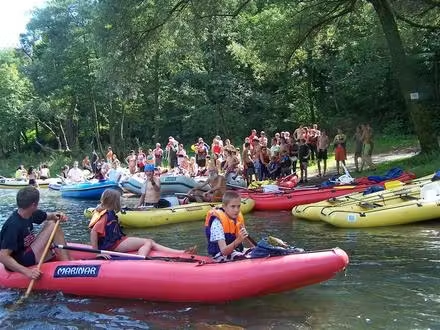
The bathing areas are lined up from Vinica and Podzemelj to Stari trg ob Kolpi, while most are laid out by the campsites and village ferries. If you are looking for peace, choose the stretch above Vinica, where there are fewer visitors. The river is shallow and slow, so families with children row on it too, and canoe descents are common between Vinica and Adlešiči.
Thermal spas and health resorts
Dolenjske Toplice are a spa resort with a long tradition and lie right at the edge of Kočevski rog, so bathing is easily combined with a hike in the forest. Šmarješke Toplice are smaller and quieter and more oriented towards wellness and health.
If you cannot decide, be guided by what you are looking for: in Dolenjske Toplice there is more programme and more people, while in Šmarješke Toplice you can count on more quiet. The whole offer health spas in the area you will find gathered in one place.
What to do
For cycling this region is among the most rewarding in the country, as the hills are low and the roads empty. For longer tours choose road cycling between Novo mesto, Otočec and Šmarješke Toplice.
Next come culture and history and churches and monasteries, which is to be expected for a region of castles, a charterhouse and Cistercian monasteries. In Trebnje also see the Gallery of Self-Taught Artists, which collects the works of self taught painters from all over the world.
What and where to eat?
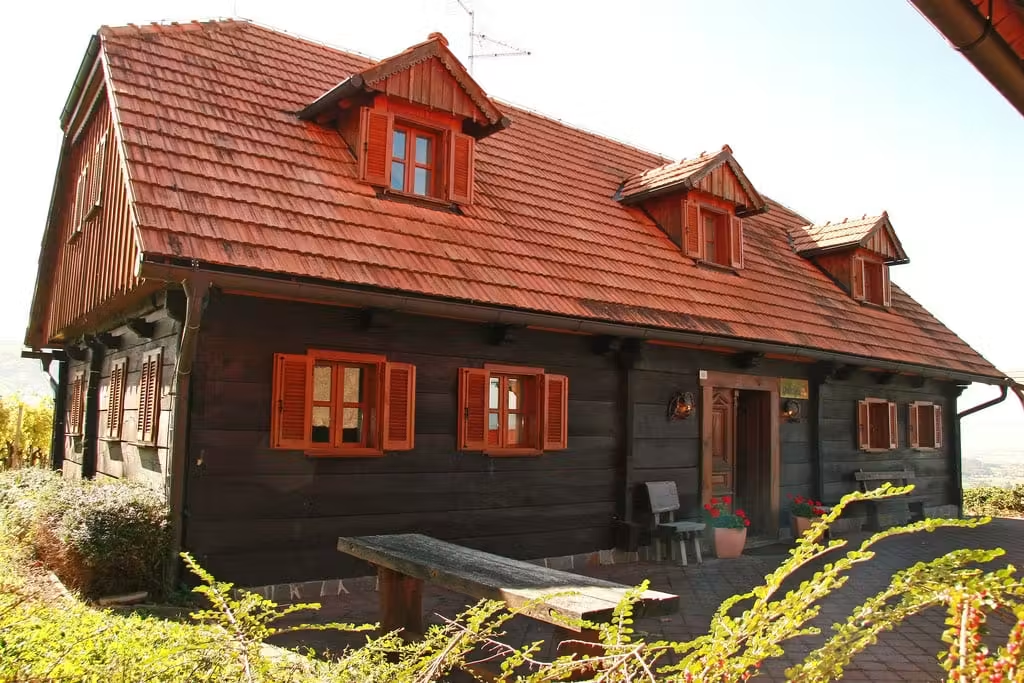
Lower Carniola is the land of cviček, a light red wine with a low alcohol content, produced only here. Try it in wine cellars on Trška gora or in the vineyard cottages above the Krka Valley.
In White Carniola the wine is metliška črnina, and with it goes belokranjska pogača, a flat bread with salt and caraway. In inns on both sides of the Gorjanci hills look also for lamb, štruklji and river fish.
Where to stay?
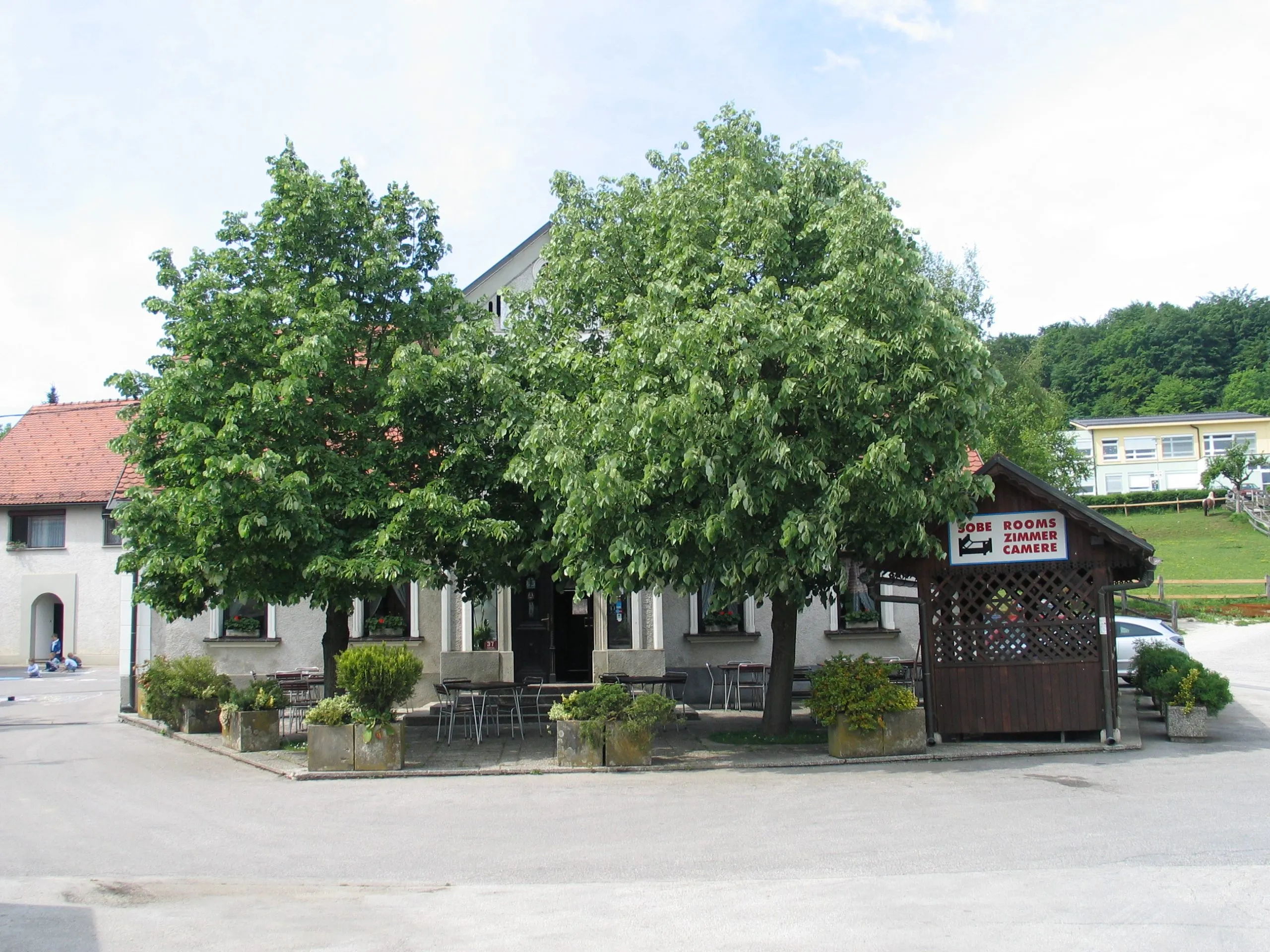
The offer is more modest than in the alpine part of the country, so arrange your accommodation in advance, especially for summer weekends. There is most of it apartments and private rooms, which are scattered across the villages and are usually closest to the river.
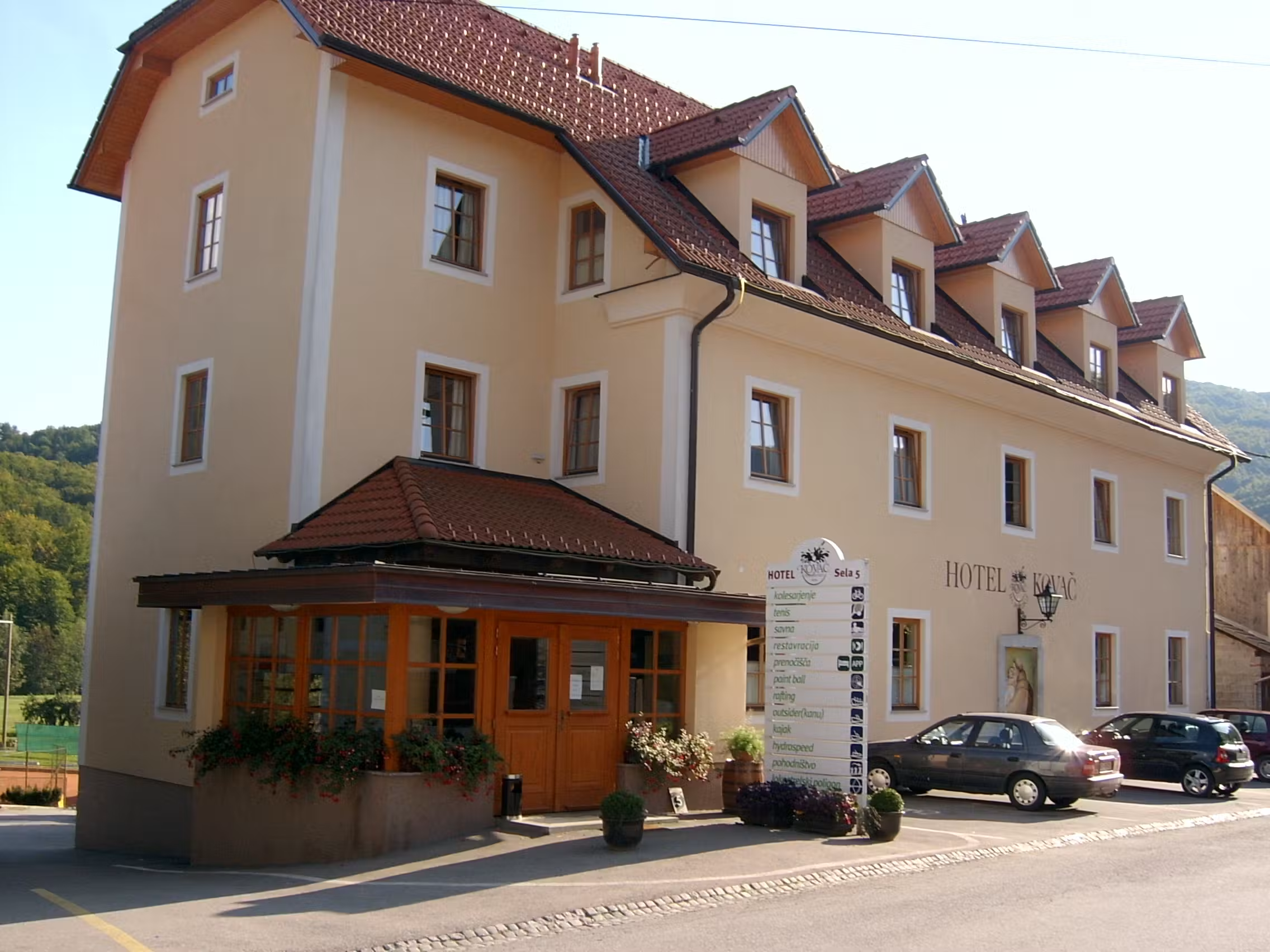
Hotels are gathered in the spa resorts and in Novo mesto, and for a stay in the countryside look at farm stays. Along the Kolpa, campsites prevail, and there are most of them along the river precisely between Vinica and Stari trg.
When to visit?
Choose summer for the Kolpa, as the water warms up only towards the end of June and stays warm until the beginning of September. Early autumn is the time of the grape harvest and the best time for the wine roads, while in spring the steljniki in White Carniola are at their brightest, as the birches are only then coming into leaf.
In winter the landscape is quiet, and the visit moves from the river to the spas and among the monasteries, and if you are looking for peace, this is the best part of the year for a visit.