The Julian Alps: Triglav, Bled, Bohinj and the Soča Valley
In the Julian Alps the day changes quickly. In the morning you can swim in Lake Bohinj, at midday stand beneath the walls in the Vrata valley, and in the evening order Soča trout on the other side of the Vršič pass. That is why, when planning a visit, it is crucial where you will stay and which valleys you want to link in the same day.
The Julian Alps are the highest Slovenian mountain range, and Triglav, at 2,864 metres, the highest Slovenian mountain. Their central part is protected as Triglav National Park, and the Julian Alps were declared Slovenia's first UNESCO biosphere reserve in July 2003.
For planning your visit, the Julian Alps are easiest to divide into the Upper Carniolan side and the Soča Valley. On the Upper Carniolan side are Bled, Bohinj, Kranjska Gora and the Upper Sava Valley, and in the Soča Valley are Bovec, Kobarid and Tolmin. The distances as the crow flies are short, but the routes over the mountains are not, so choose one valley as a base and get to know the rest as full-day trips.
Bled and Bohinj: the lake district of the Julian Alps
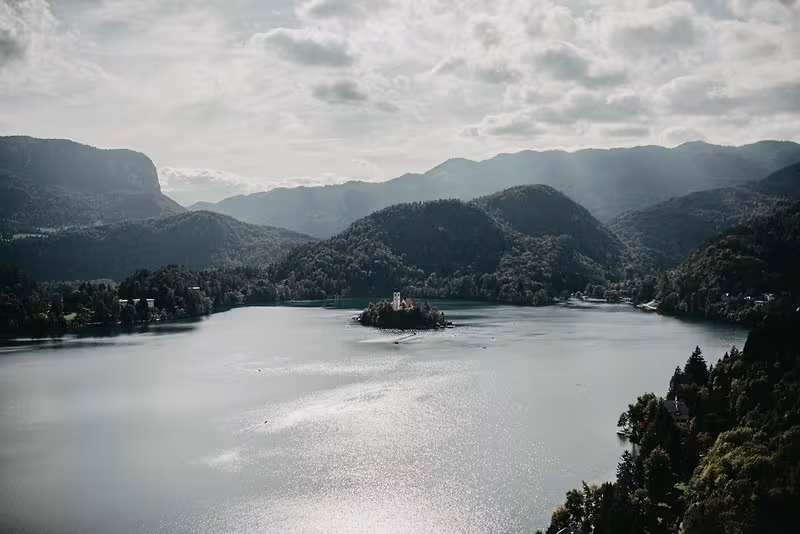
If you are visiting the Julian Alps for the first time, start at the lakes. Bled is the most recognisable starting point for visiting this part of the Julian Alps. In a single day you can walk around the lake on the six-kilometre path, visit the island or the castle on the cliff and add the view from Ojstrica or Straža. From Bled, Bohinj, Radovljica and the Vintgar Gorge are also close.
Bohinj lies deeper in the mountains and is considerably quieter. Lake Bohinj is the largest natural lake in Slovenia, and above the valley you can rise by gondola to Vogel. In the western part of the valley are the Savica Waterfall and the starting point for Komna and the Valley of the Triglav Lakes. The pastoral character of the valley is best felt in villages such as Srednja vas v Bohinju and Stara Fužina. From Stara Fužina a path also leads through the Mostnica Gorge, Bohinjska Bistrica is the transport and supply centre of the valley.
If you are deciding between the two: Bled has more on offer in a small space and more going on, while Bohinj has more space, less urban buzz and direct contact with the high mountains. For a longer visit a combination of both often works well, as they are less than half an hour's drive apart.
Kranjska Gora, Planica and the Vršič Pass
Kranjska Gora is the best-known winter centre in the Julian Alps, and in midsummer a base for cycling and hiking tours. Above Rateče the ski jumps stand in Planica, among them the ski-flying hill, one of the most recognisable winter venues in the country. West of the village lies a nature reserve Zelenci with the source of the Sava Dolinka.
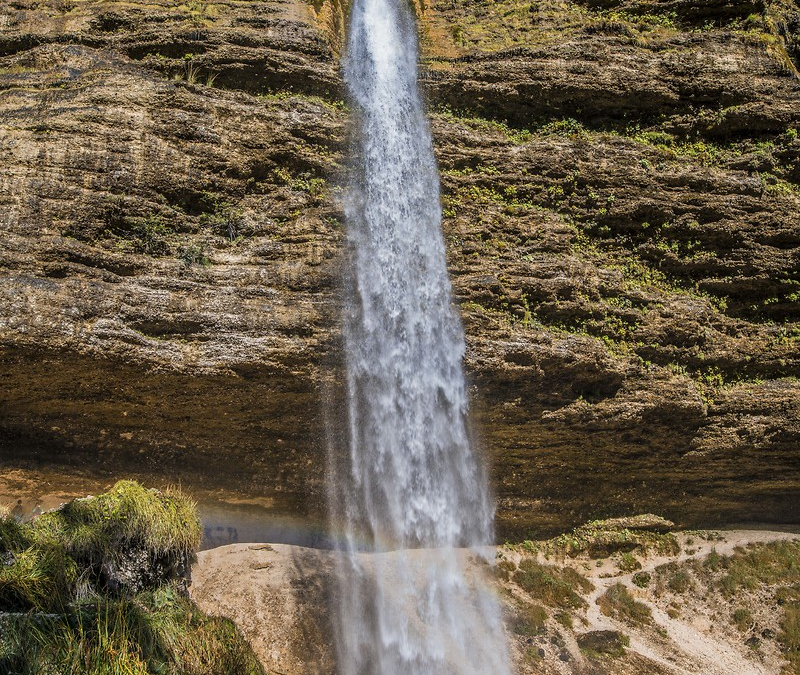
Iz Gozd Martuljek a path leads to the Martuljek Waterfalls, from Mojstrana and into the Vrata Valley, to the Peričnik Waterfall and to the best-known starting point for Triglav. In Mojstrana there is also the Slovenian Alpine Museum, where you learn about the development of mountaineering, old equipment, expeditions and the stories of the Slovenian mountains.
The Upper Sava valley opens up at Jesenice, from where roads branch off towards Bled, Kranjska Gora and across the Karavanks into Austria. From Kranjska Gora you can drive over the Vršič pass, at 1611 metres the highest road pass in Slovenia, into the Soča Valley by about fifty hairpin bends. The road is scenic but slow and busy in midsummer, and in winter it can be closed, so before setting off check conditions in the park.
The Soča Valley: Bovec, Kobarid and Tolmin
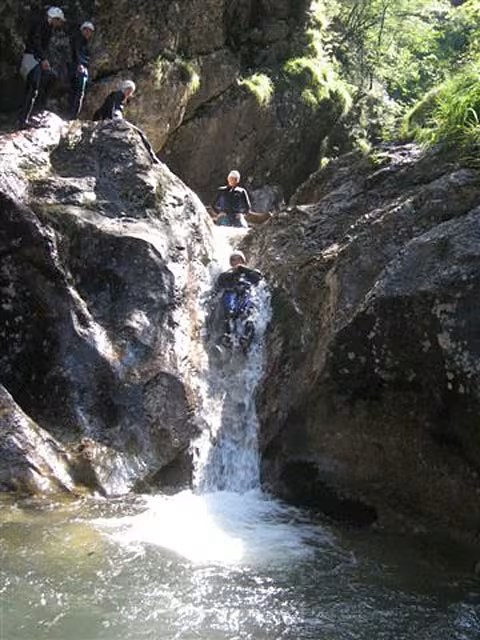
Beyond Vršič the landscape opens towards the southwest, where the climate, architecture and cuisine are already more Mediterranean. In the Soča Valley the visit most often revolves around the river, the gorges, the waterfalls and water activities. In the Great Gorge the Soča squeezes between the rocks, lower down it widens into rapids that are home to rafting, kayaking and canyoning. Even in cloudy weather the gorges and waterfalls remain among the most rewarding stops in the valley.
Bovec is the base for water activities and for access to the Kanin ski slopes, which is among the highest-lying Slovenian ski resorts. In Kobarid you can visit The Kobarid Museum, dedicated to the Isonzo Front, and you climb to the Kozjak Waterfall. Tolmin is known for the Tolmin Gorges, the lowest point of Triglav National Park. From Log pod Mangartom opens the way to the Mangart Saddle, to which one of the highest-lying roads in Slovenia leads.
Triglav National Park and natural attractions
Triglav National Park is the only national park in Slovenia and covers most of the high mountains of the Julian Alps. For a visit this matters for two reasons. The natural sights are close to one another, and in the park there apply the rules on movement, camping and driving.
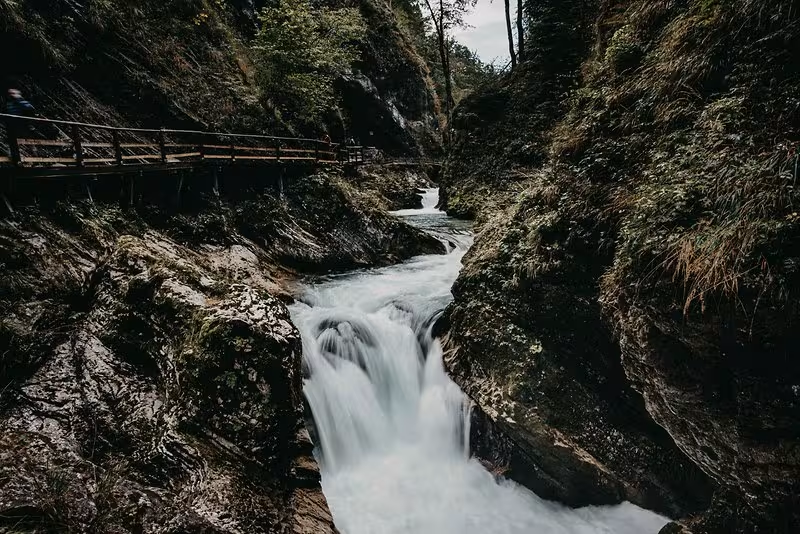
Among the most visited points is the gorge Vintgar near Zgornje Gorje, where a path along wooden galleries leads above the water to the Šum Waterfall. Nearby you can also visit the Pokljuka Gorge, the Savica Waterfall above Lake Bohinj and the Mostnica Gorge. In the high mountains the Valley of the Triglav Lakes, Lake Krn and the Komna plateau await you. If you are looking for less-visited paths, you will find them on Pokljuka, Mežakla and Jelovica, where there are forested plateaus with viewpoints and far fewer visitors.
Arrange your excursions according to the valleys in which you will be staying. To help with this, use the overview natural attractions of the Julian Alps.
What to do in summer and winter?
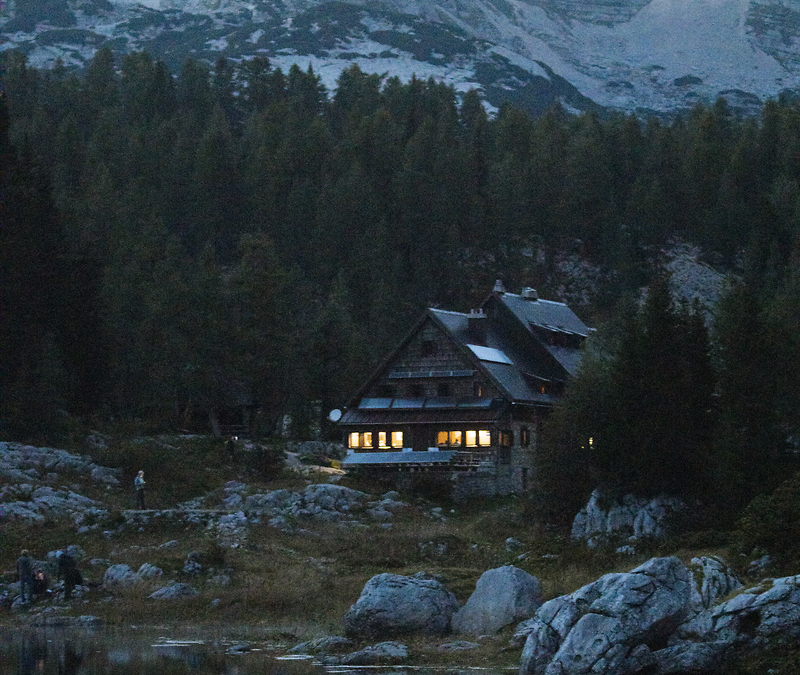
In summer the focus is on activity in nature. Hiking ranges from family walks by the lakes to multi-day tours with overnight stays in mountain huts. If you are drawn to cycling, you can choose between road climbs over alpine passes and mountain trails across the plateaus above the valleys. On the Soča and the Sava Bohinjka are home water activities, from rafting and kayaking to canyoning and fly fishing.
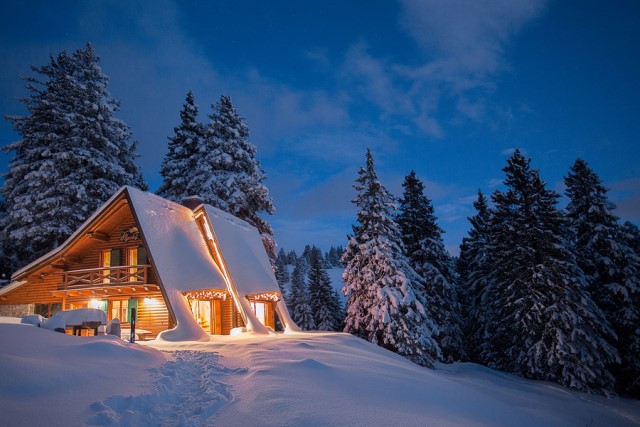
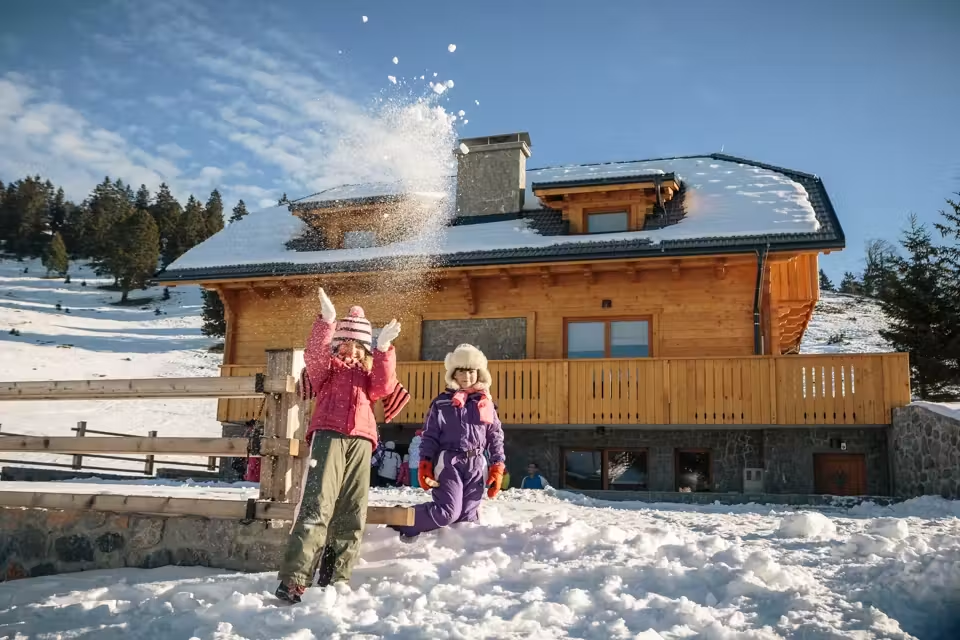
In winter, snow takes centre stage. Ski resorts are spread from Kranjska Gora and Vogel to Kanin above Bovec, among winter activities besides skiing there is also cross-country skiing on Pokljuka, ice skating and sledging. For more experienced visitors it is interesting ski touring, which has one of the central Slovenian areas in the Julian Alps.
In bad weather it is the turn of the museums and collections. In Mojstrana there is the Slovenian Alpine Museum, in Kobarid the Museum of the Soča Front, and among culture and history you will also find castles and smaller local collections. Another option is wellness in the hotels by the lakes.
Where to go with children?
For families the most rewarding are short routes with a clear goal. You walk the Vintgar Gorge and the Mostnica Gorge in one to two hours, visit Zelenci on a short walk, and with the gondola up Vogel children get a view without a climb. In summer you can round off the programme with swimming in Lake Bohinj and Lake Bled and with summer sledging on Straža above Bled.
If you are travelling with younger children, choose the valley where you will stay for several days and plan your trips from it. Drives over the passes are tiring for children, while the distances within a single valley are short and you cover most routes on foot or by bike.
Where to eat and what to try?
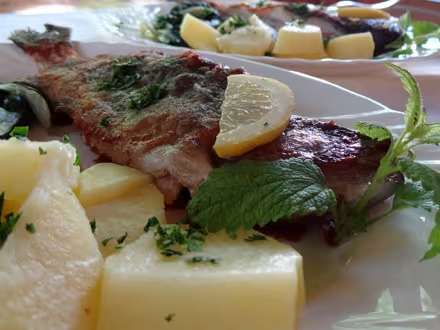
The cuisine differs noticeably from valley to valley. On the Upper Carniolan side you can try žganci, štruklji, buckwheat dishes, Carniolan sausage and cheeses, among them Bohinj cheese and mohant, and for dessert the Bled cream cake. On the Soča side the flavours turn to Tolminc, frika, čompe with curd and Soča trout.
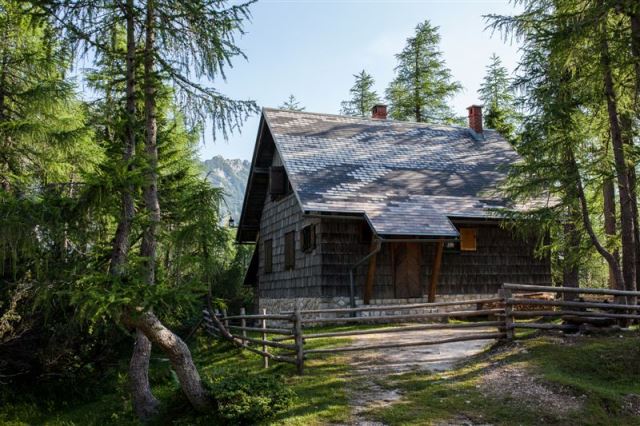
For lunch you can head to a mountain hut above the valley, to inn in the villages or in the eateries of the town centres. When choosing, it is most practical to look at the culinary offer in the place where you will spend the night or begin your trip.
Where to stay?
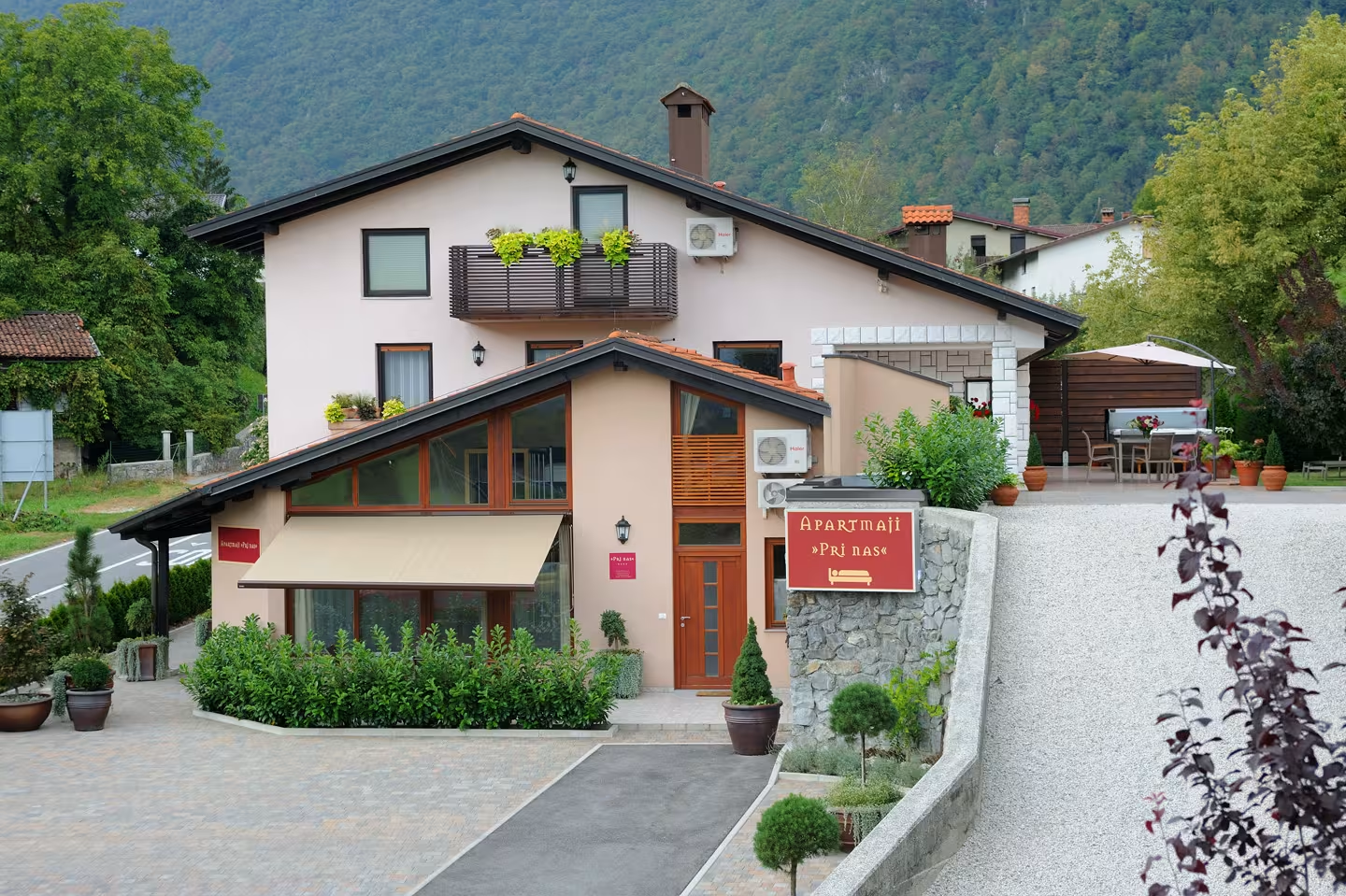
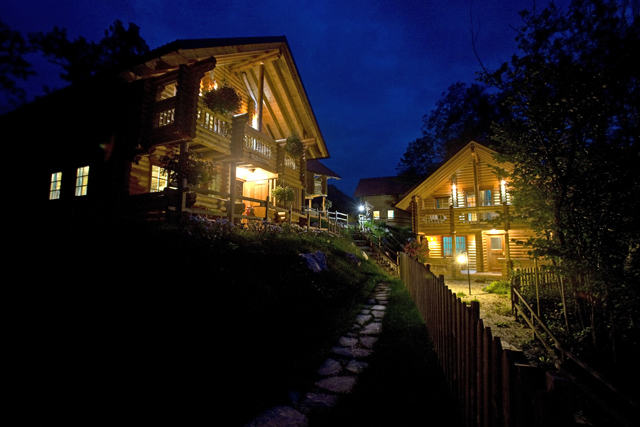
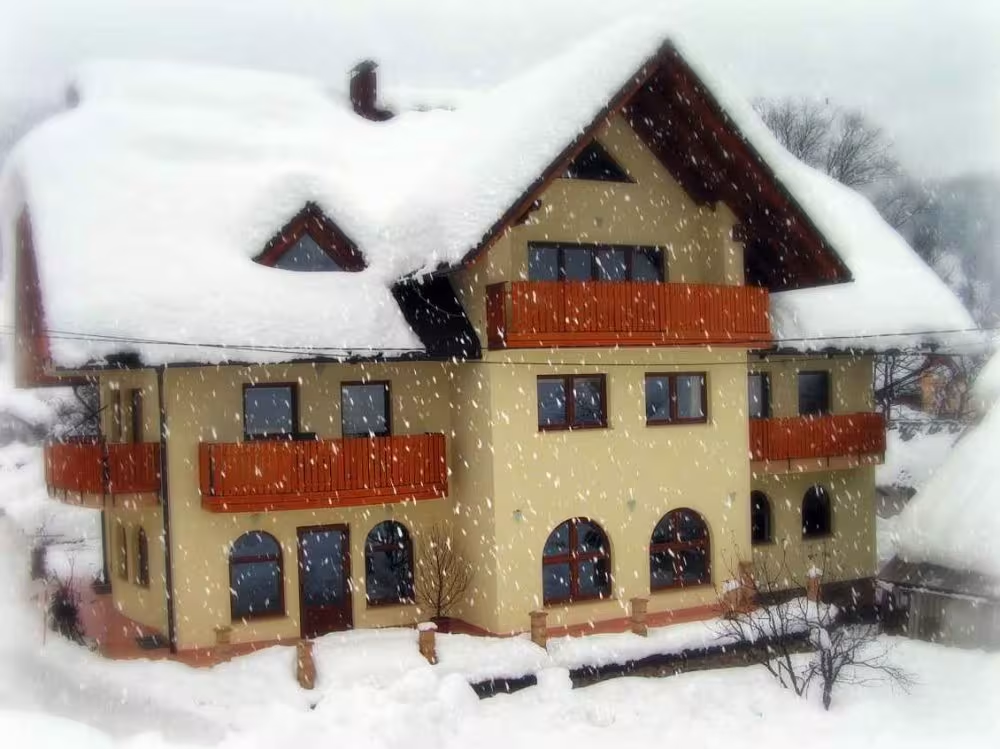
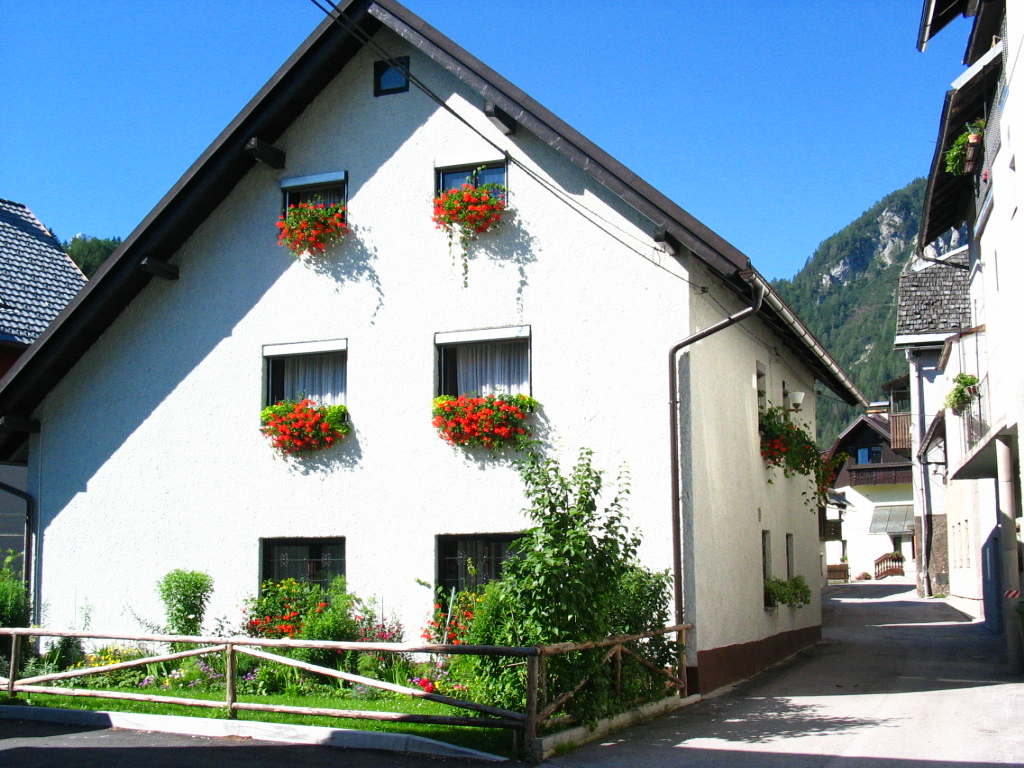
Where you will stay depends mainly on what you will be doing. For visiting the lakes and sights, convenient are hotels and apartments in Bled, Bohinj and Kranjska Gora. For a longer family holiday there are tourist farms and B&B and campsites and glamping, and for hiking tours huts in the high mountains and private rooms in the starting villages.
If you are coming for skiing, take a look at accommodation near the ski slopes, as in the morning the distances to the cable cars matter more than proximity to the town core. To visit the Soča Valley, sleep in Bovec, Kobarid or Tolmin, because driving over Vršič in a daily programme quickly proves too long.
When to visit the Julian Alps?
Each season opens up a different part of the mountains. July and August are suitable for swimming, water activities and the high mountains, and are at the same time the busiest. If you want quieter trails and long days, choose June or September, for colours and views without crowds October, and for skiing, cross-country trails and calm valleys, winter.
If you are planning a high-mountain tour, bear in mind that in the Julian Alps snow lingers at higher elevations well into summer, and conditions can change quickly. Before every ascent check conditions in the park, and for more demanding tours consider hiring a mountain guide.
Towns below the mountains: Radovljica, Kranj and Škofja Loka
At the edge of the mountains are towns that visitors often overlook, although they offer a good counterbalance to days in nature. Radovljica has a compact medieval square and The Beekeeping Museum with its painted beehive panels, the nearby Lesce an airport and starting points for cycling tours across Dežela.
Kranj stands above the confluence of the Sava and the Kokra and has an old town core, Prešeren's House and tunnels beneath the town. Škofja Loka has a castle above the square and the stone Capuchin Bridge over the Sora. Both towns are also suitable as a quieter urban base for visiting the Alps, as they are about half an hour's drive from Bled and Bohinj.
That is exactly why the Julian Alps work well for a longer trip too. One day you are by the lake, the next in the high mountains, the third by the Soča or in an old town core.