The Coast and the Karst
On the Slovenian coast you can have your morning coffee on Tartini Square, cycle among olive groves and vineyards a few hours later, step into a world of underground passages in the afternoon and end the evening in a stone Karst courtyard with a slice of prosciutto and a glass of Teran. The distances are short and the landscapes change almost unbelievably fast. The sea gives way to hills, Istrian villages to the stony Karst, and the smell of salt is replaced by the bora wind and wine.
The Coast and the Karst are considered one of the most varied parts of Slovenia and an excellent choice for anyone looking for the Slovenian sea, historic coastal towns, Karst caves, wine roads, good food, cycling routes or ideas for trips around western Slovenia.
The Slovenian coast: Piran, Portorož, Izola and Koper
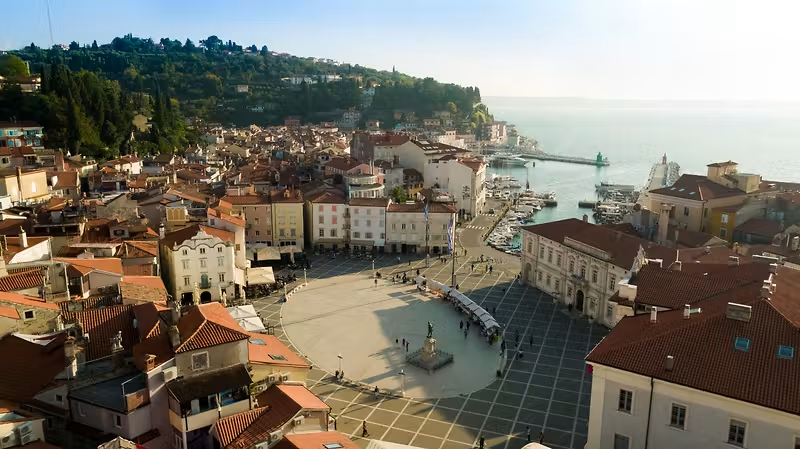
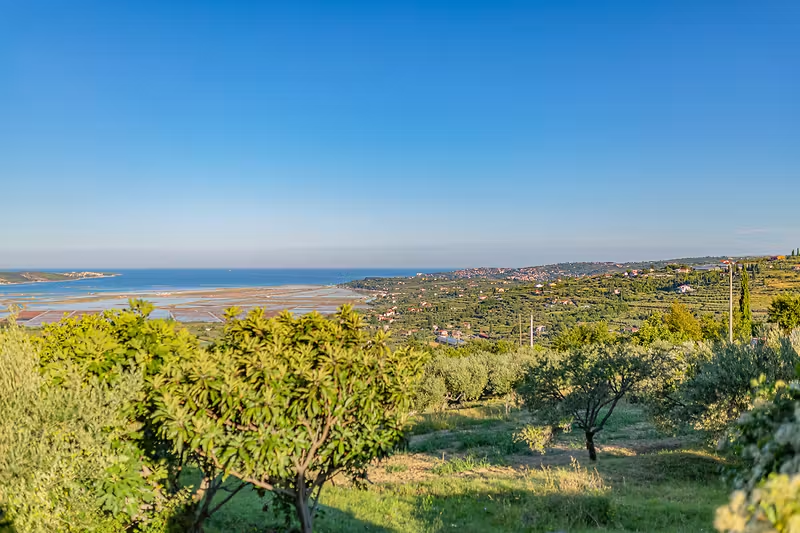
Four towns follow one another along the Adriatic, each with a character entirely its own. Piran is the one most visitors associate first with the Slovenian coast. Medieval streets, Venetian architecture, Tartini Square, the church of St George above the red roofs and the view towards the open sea create one of the most recognisable images of Slovenia. The history of Piran is also inseparable from salt. Only a few kilometres to the south lie Sečovlje and the Sečovlje Salina, a landscape of shallow salt pans and channels where sea salt is still produced in the traditional way today.
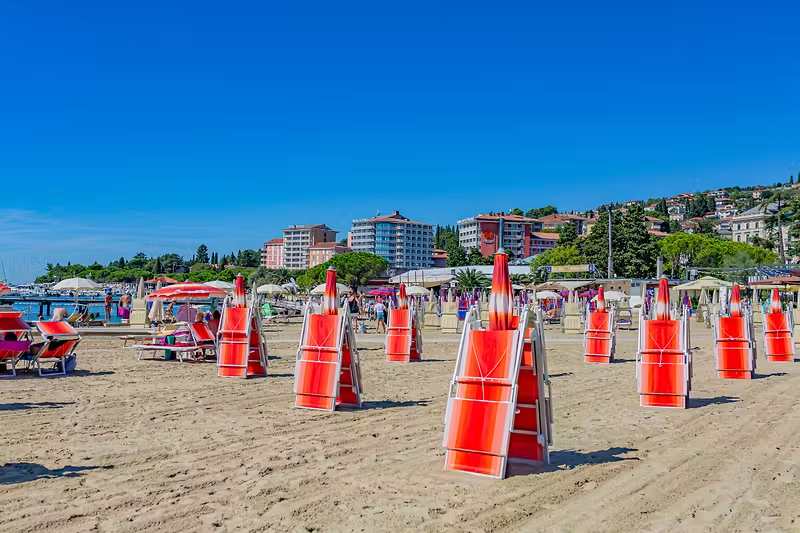
Only a few kilometres away is Portorož, the Slovenian seaside resort with a long tradition of hotels, spas and bathing tourism. Come here if you are looking for a holiday by the sea, a beach, hotel comfort, a spa or a livelier evening. Between Piran and Portorož you can walk along the sea and continue towards the salt pans or along the former Parenzana railway line.
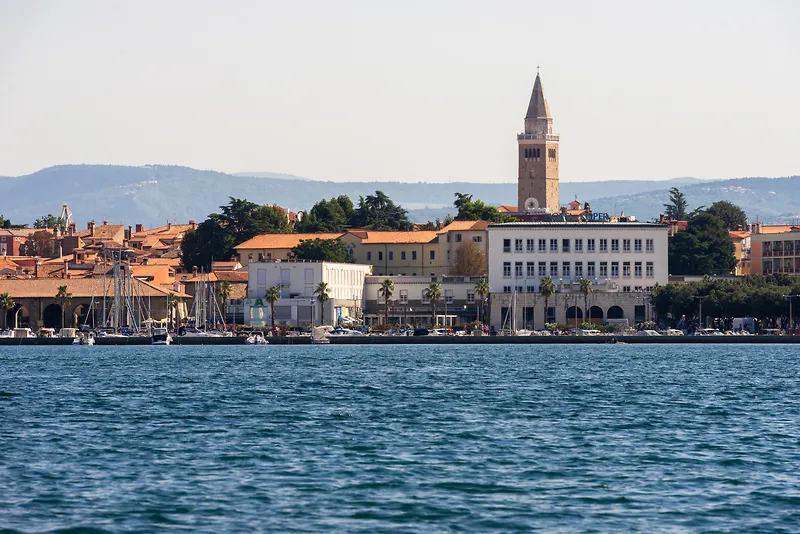
A calmer face of Slovenian Istria is shown by Izola. This former fishing town still lives with the sea, its harbour and Mediterranean cooking. It is the right place for a slow lunch of fish and seafood, an evening walk by the marina or a swim without the feel of a large resort. Koper is bigger and more urban, yet behind the backdrop of the port it hides a remarkably old centre. Tito Square, the Praetorian Palace, palaces of Venetian character and narrow streets reveal how strongly this part of Slovenia belonged to the Mediterranean world through history.
The finest corners of the Slovenian coast: Strunjan, Moon Bay, the Sečovlje Salina and Ankaran
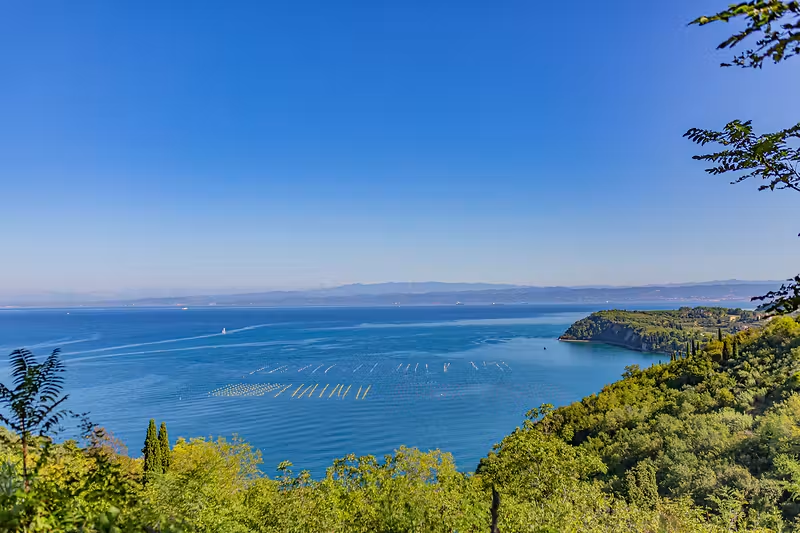
If you want fewer towns and more nature, head towards Ankaran and Debeli rtič, or towards Strunjan, where high flysch cliffs rise above the sea. Strunjan Bay and Moon Bay are among the most picturesque and best preserved parts of the Slovenian coast.
Yet the coast is only half the story.
As the road begins to climb inland, the air changes. Traditional stone walls appear, along with red Karst earth, pines, vineyards and villages of pale stone. This is the Karst, the landscape that lent its name to karst phenomena all over the world.
World famous sights of the Karst
The area around Sežana and Divača is threaded with caves, sinkholes and underground rivers, while above ground it is marked by stone homesteads and the bora wind.
Among the greatest natural sights are the Škocjan Caves, inscribed on the UNESCO World Heritage List. Their mighty underground canyon is an entirely different experience from Postojna Cave, where part of the route through the Karst underground is covered by cave train and where you also meet the olm. Nearby, rising from a rock face, stands Predjama Castle, one of the most unusually situated castles in Europe.
The Karst is also known for Lipica, where Lipizzaner horses, one of the oldest cultural horse breeds in the world, have been bred for centuries. A few kilometres away, on a hill, you are met by the charming village of Štanjel, with its narrow streets, stone Karst houses and the Ferrari Garden designed by the architect Fabiani.
What to eat and drink on the Coast and in the Karst?
Karst prosciutto matures in the open air and the bora wind, and beside it stands, almost as a matter of course, a glass of Teran, the dark red wine that grows on the characteristic Karst soil known as terra rossa. At homesteads and traditional osmica taverns they are joined by pancetta, cheeses, home baked bread and other local delicacies. Closer to the sea the menu changes: fish and seafood, Piran salt, Istrian olive oil, truffles and Refošk, one of the most distinctive wines of Slovenian Istria. Food is one of the best reasons not to rush between the coast and the Karst.
If the vineyards draw you further, continue towards Brda and Dobrovo v Brdih. This hilly landscape along the Italian border is today one of the best known Slovenian wine destinations, particularly famous for Rebula. Šmartno, Dobrovo, the wine cellars, orchards and views across the vineyards give this part of the region an almost Tuscan character. Wine lovers can continue exploring in the Vipava Valley, where old villages wind between the vineyards and create another distinctive wine landscape of western Slovenia.
What to do on the Coast and in the Karst: activities for every taste
The Coast and the Karst can be explored in many ways. You can choose a holiday of several days by the sea, a weekend among the Karst villages, a wine route, a family visit to the caves and Lipica, or a road trip that combines Piran, the Škocjan Caves, Predjama Castle and Brda. Cyclists can discover part of the route along the Parenzana and the country roads of Slovenian Istria, walkers can follow the Karst trails, and food lovers can link the journey with visits to wine cellars, homesteads and local inns.
Where to stay on the Coast and in the Karst
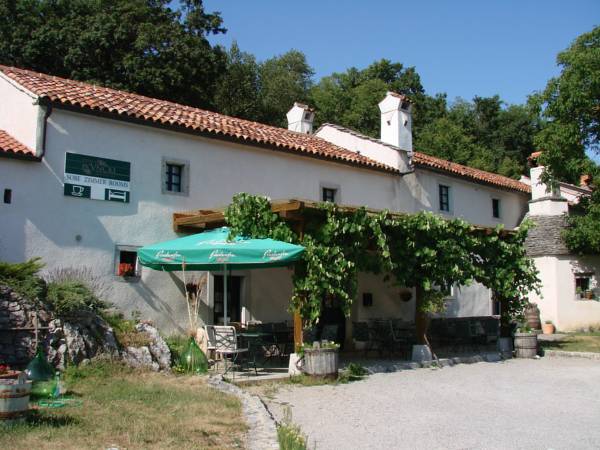
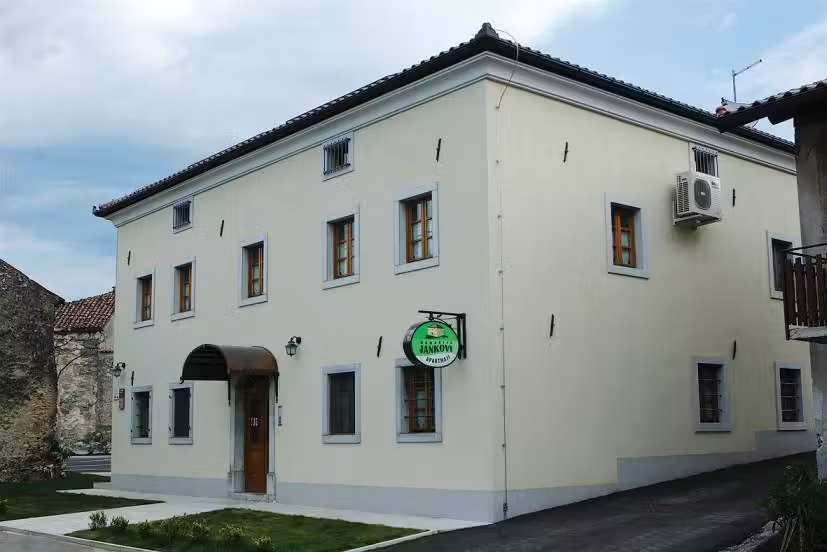
For your stay you can choose between apartments on the Coast and in the Karst, private rooms and tourist farms and B&Bs. By the sea you will be closer to the beaches and the evening buzz, in the hinterland closer to the vineyards, the Karst trails and home cooking.
Perhaps this is the greatest quality of this part of Slovenia: you do not have to choose between the sea, history, nature and wine. Here they are close enough to be experienced on the same trip.